If a dentist has told you that you need a root canal, you might feel a little scared. That is completely normal. Many people hear those words and think it will be painful or complicated. But the truth is, root canal treatment is one of the most helpful dental procedures a dentist can do for you. It does not just relieve pain — it actually saves your natural tooth from being removed. When an infection reaches the inside of the tooth, treatment is needed to clean it and stop bacteria from spreading. A dental clinic near you can check the tooth and decide if a root canal is needed at an early stage.
What Is Root Canal Treatment?
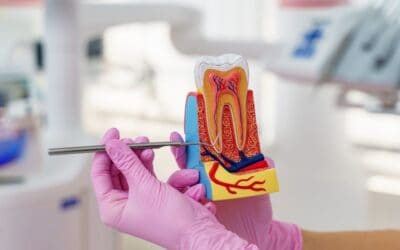
Root canal treatment is a dental procedure that removes infected or damaged pulp from inside a tooth. The pulp is the soft tissue inside your tooth that contains nerves and blood vessels.
When bacteria enter the tooth — usually through a deep cavity, a crack, or an old filling — the pulp gets infected. This infection causes pain, swelling, and, in some cases, a dental abscess (a pocket of pus near the tooth root).
The dentist removes the infected pulp, disinfects the inside of the tooth, fills it with a special material called gutta-percha, and then places a dental crown to protect it.
After the procedure, the tooth is clean, safe, and can function normally again — just without its nerve.
Signs of Tooth Infection You Should Never Ignore
Many people delay going to the dentist because they think the pain will go away on its own. Sometimes it does — but that does not mean the infection is gone. It may actually be spreading deeper into the bone or jawbone.
Here are the most common signs of tooth infection:
- Severe, throbbing toothache that does not stop
- Pain when chewing or biting down
- Sensitivity to hot or cold temperatures that lasts more than a few seconds
- Swelling in the gum, cheek, or jaw area
- A small bump or pimple-like spot on the gum (this is called a dental fistula or sinus tract)
- Loose tooth without any injury
- Bad taste in the mouth or bad breath that does not go away
- Fever or feeling unwell — this can mean the infection has spread
If you notice any of these symptoms, visit a dental clinic near you as soon as possible. Early treatment always gives better results.
Why Saving the Natural Tooth Matters
Dentists always prefer to save your natural tooth rather than remove it. Here is why:
Your natural tooth helps you chew food properly. It holds the surrounding teeth in place. When a tooth is removed, the teeth next to it slowly start to shift. This can cause bite problems, jaw pain, and even bone loss in the jaw (known as alveolar bone resorption).
A root canal treatment Edmonton allows you to keep your natural tooth structure intact. This prevents all those problems from happening.
Why Early Root Canal Treatment Gives the Best Results
When a tooth infection is caught early, the damage is limited to the pulp chamber and root canals. The dentist can thoroughly clean the area, and the surrounding bone and tissue remain healthy.
But when treatment is delayed, the infection spreads. It can reach the periodontal ligament (the tissue that holds the tooth in place), the alveolar bone, and even nearby teeth. At that point, the tooth may not be saveable at all — and tooth extraction becomes the only option.
Early root canal treatment:
- Stops the infection before it spreads to the bone
- Reduces the risk of dental abscess formation
- Preserves the natural tooth structure
- Avoids the need for more expensive treatments like dental implants or bridges
- Helps you avoid unnecessary pain by treating the problem early
What Happens During Root Canal Treatment?
Here is a simple, step-by-step look at what the dentist does:
Step 1 – Diagnosis: The dentist takes an X-ray to see the shape of the root canals and check for infection in the surrounding bone.
Step 2 – Local Anesthesia: The area is numbed with local anesthesia. You should feel little to no pain during the procedure.
Step 3 – Pulpectomy: The dentist removes the infected pulp from inside the tooth. This is called a pulpectomy.
Step 4 – Cleaning and Shaping: The inside of the tooth (root canals) is cleaned, shaped, and disinfected using small dental files and an antimicrobial solution.
Step 5 – Filling: The cleaned canals are filled with gutta-percha, a rubber-like material that permanently seals the canals.
Step 6 – Crown Placement: A dental crown is placed on the tooth to restore its shape and strength.
Finding a Dental Clinic Near You
If you are experiencing any tooth pain or signs of infection, do not wait. Search for a trusted dental clinic near you and book an appointment as soon as possible. The longer you wait, the more the infection can damage your tooth and surrounding tissue.
A qualified dentist will take an X-ray, examine your tooth, and tell you clearly whether root canal treatment is the right option for you.
Protect Your Teeth With Root Canal Treatment
Impression Dental helps protect your teeth with root canal treatment. This treatment removes the infection from inside the tooth and quickly reduces pain. We focus on saving natural teeth and preventing tooth removal when treatment is initiated early. Visit us today for safe and gentle dental care.
FAQs
How long does root canal treatment take?
Most root canal procedures are completed in one to two dental appointments, depending on the level of infection and the number of root canals in the tooth. Front teeth usually have one canal, while back teeth (molars) can have three or four canals. Your dentist will let you know how many visits are needed.
What happens if a tooth infection is left untreated?
If a tooth infection is not treated, the bacteria can spread to the jawbone, surrounding teeth, and in serious cases, even to the neck or brain. A dental abscess can also form, which is a pocket of pus that causes intense pain and swelling. Untreated infections never heal on their own — they always get worse over time.
Is root canal treatment better than tooth extraction?
In most cases, yes. Saving your natural tooth through root canal treatment is always the preferred option. Tooth extraction leads to a gap in your smile, bone loss over time and the need for a replacement, such as a dental implant or bridge, which costs more. A root canal lets you keep your natural tooth for many more years with proper care.