Can teeth with deep cavities be saved? Many people visit a dental clinic in Edmonton after noticing severe tooth pain, sensitivity, or swelling caused by deep cavities. When tooth decay spreads deep inside the tooth, a simple filling may no longer be enough. In these cases, a root canal is often recommended to save the natural tooth and stop the infection from spreading.
Root canal treatment helps remove infected tissue inside the tooth and restores its function, allowing patients to keep their natural smile for many years.
What is a Root Canal?
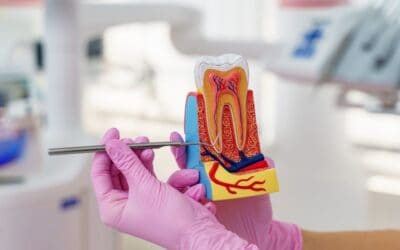
A root canal in Edmonton is a treatment that helps save a tooth with deep decay or infection. Inside the tooth is a soft area called the pulp, which has nerves and blood vessels. If this area gets infected, it can cause pain and swelling.
During the treatment, the infected part is removed, the inside of the tooth is cleaned, and the tooth is sealed. A root canal helps relieve pain, save your natural tooth, and let you chew normally again.
What Causes Deep Cavities?
Deep cavities happen when tooth decay is not treated early. Over time, bacteria slowly damage the outer layer of the tooth and move deeper into the tooth. Poor brushing and flossing, sugary foods and drinks, and skipping regular dental visits can all increase the risk of cavities.
Small untreated cavities may also grow larger and reach the inner part of the tooth. Early dental care is important because it helps stop decay before it becomes severe.
Symptoms of Deep Cavities
Recognizing the symptoms of deep cavities early can help prevent major damage.
Common warning signs:
- Sharp tooth pain
- Sensitivity to hot or cold foods
- Pain while chewing
- Swelling around the tooth
- Dark spots or holes in teeth
- Bad taste or bad breath
If these symptoms appear, a dental visit should not be delayed.
Signs You Need a Root Canal
Many people ignore pain until it becomes severe, but there are several signs that you need a root canal.
Signs may include:
- Constant throbbing toothache
- Lingering sensitivity after eating
- Swollen or tender gums
- Tooth discoloration
- Pain when biting down
- Small bumps on the gums
These symptoms often mean the infection has reached the inside of the tooth.
How Does a Root Canal Work?
A root canal in Edmonton is completed in several careful steps to remove infection and protect the tooth.
Typical treatment steps:
- Exam and X-rays
- Numbing the area for comfort
- Removing infected pulp tissue
- Cleaning the inside of the tooth
- Filling and sealing the tooth
- Placing a crown if needed
The treatment is designed to relieve pain and restore tooth function.
Is a Root Canal Painful?
Many people feel nervous about getting a root canal, but modern treatment is usually comfortable. The tooth and surrounding area are numbed before the procedure, so patients normally feel very little pain during treatment. Some mild soreness may happen after the appointment, but it is usually temporary and manageable.
In most cases, the pain caused by the infection is much worse than the pain of the root canal procedure itself.
Why Saving the Natural Tooth Matters
Keeping a natural tooth is usually the best option. A healthy natural tooth helps with normal chewing, keeps nearby teeth from moving out of place, and supports the jaw properly. It also helps maintain a natural smile and reduces the need for later tooth replacement treatments.
A root canal helps save the original tooth structure so patients can continue using their natural tooth comfortably.
Root Canal Recovery Tips
Taking care of your tooth after treatment helps it heal properly.
Helpful tips after a root canal:
- Avoid chewing on the treated side for a few days.
- Take your medicines as instructed.
- Brush and floss gently
- Avoid very hard foods for a short time.
- Go to your follow-up visits.
Most people return to their normal routine soon after treatment.
How to Prevent Deep Cavities
Preventing tooth decay reduces the chance of needing a root canal later.
Prevention tips:
- Brush twice daily with fluoride toothpaste.
- Floss every day
- Limit sugary snacks and drinks.
- Visit the dentist regularly.
- Treat small cavities early.
Good oral hygiene is the best defence against deep decay.
Protect Your Teeth Before Cavities Become Severe!
If you don’t address deep cavities quickly, they can lead to intense pain and infection. Root canal therapy will relieve pain and improve chewing ability while helping save your tooth. Impression Dental is the right place to get trusted dental care and treatment options. Schedule a visit today to achieve a healthy, comfortable smile.
FAQs
Can deep cavities repair themselves naturally?
Deep cavities don’t heal naturally and tend to get progressively worse over time. If ignored, the decay may progress further in the tooth and cause pain or infection.
Is a root canal painful?
Modern root canal treatment is usually comfortable because the area is fully numbed before the procedure. Most patients experience pain relief after the infected tissue is removed.
How long does a root canal take?
A root canal often takes one or two appointments, depending on how severely the tooth is damaged and whether infection is present.
Is a root canal able to save a damaged tooth?
A root canal can save a tooth if it is badly damaged or infected by removing the infection and repairing the tooth.