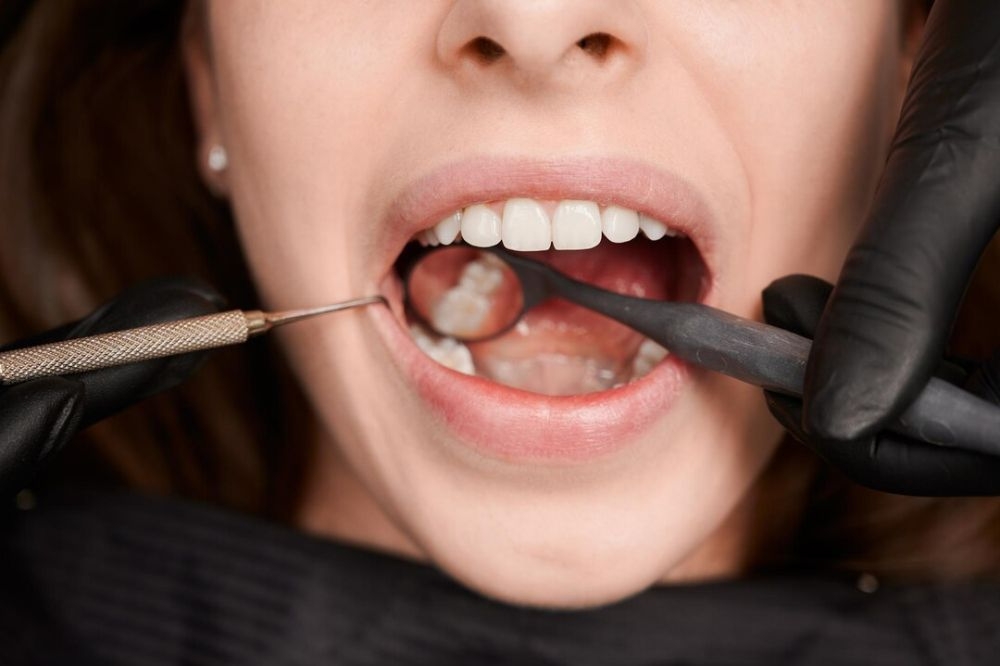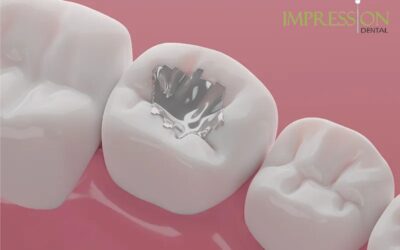
Dental fillings are commonly used to repair teeth affected by decay or minor damage. They help restore the strength of the tooth and allow it to function normally again. Visiting a dentist near you can help identify sensitivity or discomfort that may indicate a cavity.
Fillings help prevent further decay by sealing the damaged area of the tooth. Treatments such as dental fillings in Edmonton are widely used to restore teeth and protect them from additional damage. With proper care, fillings can last for many years and continue supporting normal chewing and oral health.
Understanding how long dental fillings last
Dental fillings are designed to be durable, but their lifespan can vary. Several factors influence how long a filling will last, including the material used, oral hygiene habits, and the location of the filling.
Some fillings may last many years with proper care, while others may need replacement sooner. Regular dental checkups allow dentists to monitor fillings and identify any signs of wear or damage.
Fillings placed in areas that experience heavy chewing pressure may wear down faster than those placed in less active areas of the mouth. Regular dental checkups help monitor these fillings and ensure they remain in good condition.
Best type of dental filling for longevity
Patients often ask about the best type of dental filling for longevity. Different filling materials are available, and each offers certain benefits. Dentists help patients choose the option that best suits their dental needs.
Dentists consider several factors when recommending a filling material. These include the size of the cavity, the location of the tooth, and the patient’s oral health needs.
Common types of dental fillings include the following.
- Composite fillings that match the natural colour of teeth
- Amalgam fillings are known for their durability
- Ceramic fillings that resist staining
- Extremely long-lasting gold fillings
Each material offers different advantages, and dentists recommend the most suitable option based on the patient’s dental condition.
Durable dental filling materials
Choosing durable dental filling materials can help increase the lifespan of a dental restoration. Strong materials are designed to withstand daily chewing and pressure from biting.
Dentists often recommend materials that balance strength with appearance. Modern dental materials are designed to restore both the function and the natural look of teeth.
Several durable materials are commonly used in restorative dentistry.
- Composite resin materials are used for natural-looking restorations
- Ceramic materials that resist wear and staining
- Metal based fillings that provide strong support
- Advanced dental materials designed for lasting durability
Selecting the right material helps ensure that the filling remains stable and effective over time. It also helps the tooth function comfortably during daily activities.
Factors that affect how long fillings last
The lifespan of dental fillings can depend on several daily habits and oral health conditions. Maintaining good oral hygiene plays an important role in protecting both the tooth and the filling.
Some common factors include the following.
- Daily brushing and flossing habits
- Frequent consumption of sugary foods and drinks
- Teeth grinding or clenching
- The size and location of the filling
- Regular dental visits for monitoring restorations
Understanding these factors helps patients maintain their fillings and reduce the risk of early replacement. It also helps support better long-term oral health.
Tips for extending the life of dental fillings
Simple daily habits can help extend the lifespan of dental fillings. Maintaining good oral hygiene and healthy dietary habits supports both the tooth and the restoration.
Several practical steps can help protect dental fillings.
- Brush teeth twice daily with fluoride toothpaste
- Floss daily to remove plaque between teeth
- Avoid chewing very hard objects, such as ice
- Limit sugary foods and drinks
- Visit the dentist regularly for checkups
These habits help maintain the strength of the filling and support long-term oral health. They also help reduce the chances of future tooth decay.
Maintain healthy teeth with regular dental care
Dental fillings play an important role in protecting teeth from further damage. Proper care and routine dental visits help fillings last longer and continue supporting healthy teeth. At Impression Dental, the dental team provides supportive care and restorative treatments for patients who need dental fillings. Schedule a visit today to learn how proper dental care can help maintain strong and healthy teeth.
Frequently Asked Questions
How long do dental fillings usually last?
Dental fillings can last for several years, depending on the material used and daily oral care habits.
Can dental fillings wear out over time?
Yes. Fillings can slowly wear down over time because of chewing and regular use.
What helps dental fillings last longer?
Good oral hygiene, routine dental visits, and avoiding very hard foods can help fillings last longer.
Do dental fillings ever need replacement?
Yes. Fillings may need to be replaced if they become worn, loose, or damaged over time.