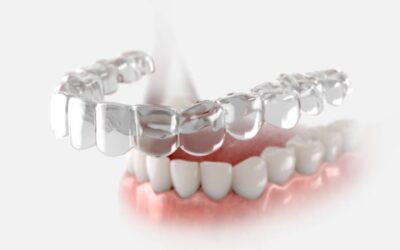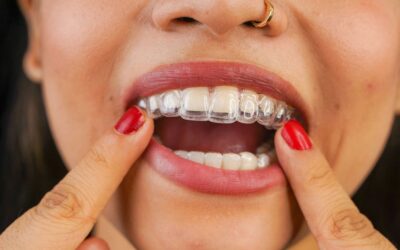
Straightening your teeth does not always require metal braces. Many people choose Invisalign in Edmonton because it offers a clear and comfortable way to improve their smile. These clear aligners work slowly and gently, bringing the teeth into better positions.
Speaking with a dentist near you is often the first step in starting your clear aligner journey. They can explain how the process works and use digital scans to show how your teeth will move gradually from the beginning to the final result.
How Invisalign Works
Invisalign uses a series of custom made clear trays. Each tray is slightly different from the one before it. When you switch to a new set, it applies gentle pressure to specific teeth.
You typically wear each set for about one to two weeks. The aligners should be worn for 20 to 22 hours a day for the best results. They are removed only for eating, drinking anything other than water, brushing, and flossing.
Week 1: Getting Used to the Aligners
The first week is usually about adjustment. You may feel light pressure or tightness when you first wear your trays. This is normal and means the aligners are working. Some people notice slight changes in speech for a few days, but this improves quickly.
Weeks 2 to 4: Early Tooth Movement
By the second or third week, small shifts begin to happen. You might not see significant changes yet, but your teeth are moving in small steps. Each new tray continues the process. The pressure you feel when switching trays often lasts a day or two.
A dentist in Edmonton can review how your teeth are responding and confirm that everything is on track.
Weeks 5 to 8: Visible Changes Begin
After about a month or two, many patients begin to notice visible improvements. Crowded teeth may start to look more even, and alignment may slowly appear straighter.
Small gaps may begin to close as the teeth shift into better positions. These gradual changes often make patients feel more confident about the progress of their treatment.
Mid Treatment: Steady Progress
As you move through the middle of treatment, the changes continue to unfold. Each aligner builds on the progress of the one before it.
Teeth are moved in small amounts to protect the roots and surrounding bone.If you are searching for Invisalign near you, it helps to know that regular monitoring is part of the process.
Final Weeks: Fine Tuning
Toward the end of treatment, the focus shifts to refining details. Minor adjustments improve alignment and bite balance.
Your final trays help settle the teeth into their ideal positions. Once treatment is complete, a retainer is recommended.
What Affects Weekly Progress
Every person’s timeline is slightly different. Several factors influence how smoothly teeth move.
- How many hours do you wear the aligners each day
- How serious your teeth alignment problem is
- Your age and overall bone health
- How closely you follow the given instructions
Staying consistent keeps the weekly plan on schedule.
Is Movement Painful
Most people describe the feeling as pressure rather than pain.Mild soreness may happen when switching trays, especially in the first few days. This usually fades quickly. Over the counter pain relief may help if needed.
Clear aligners are often considered more comfortable than traditional braces because there are no wires or brackets.
Benefits of Weekly Aligner Changes
Changing trays regularly keeps the process structured.
- Small, gentle movements help keep the tooth roots safe
- Slow changes make the process more comfortable
- A clear plan allows the teeth to move the right way
- Regular checkups help track progress
Seeing steady improvement can also boost motivation during treatment.
Oral Care During Treatment
Good hygiene supports healthy movement.
- After you eat, brush your teeth, then put the aligners back in. This keeps food from getting trapped inside the trays.
- Floss every day to clean between your teeth.
- Rinse your aligners with lukewarm water before wearing them again.
When to Contact Your Dentist
- An aligner cracks or does not fit the way it should
- You feel strong pain that does not go away
- The tray feels very loose or unusually tight
- You lose one of your aligners
If something does not feel right, it is always better to ask. Getting help early can keep your treatment on track.
Moving Toward a Straighter Smile
Clear aligners move teeth in planned stages. Each week builds on the last. The changes may feel small at first, but they add up over time. If you are thinking about improving your smile, the team at Impression Dental is ready to guide you. Book an appointment today to learn more about your options and take the next step toward a confident smile.
Frequently Asked Questions
How long does Invisalign treatment usually take?
Most people finish treatment in about 6 to 18 months. The exact time depends on how much your teeth need to move.
Will people notice I am wearing aligners?
The aligners are clear and fit closely over your teeth. Most people do not notice them.
Can I eat with Invisalign aligners?
No. You should take them out before eating or drinking anything other than water.
What happens if I forget to wear them for a day?
Not wearing them for enough hours can slow down your progress. Put them back in as soon as you remember.